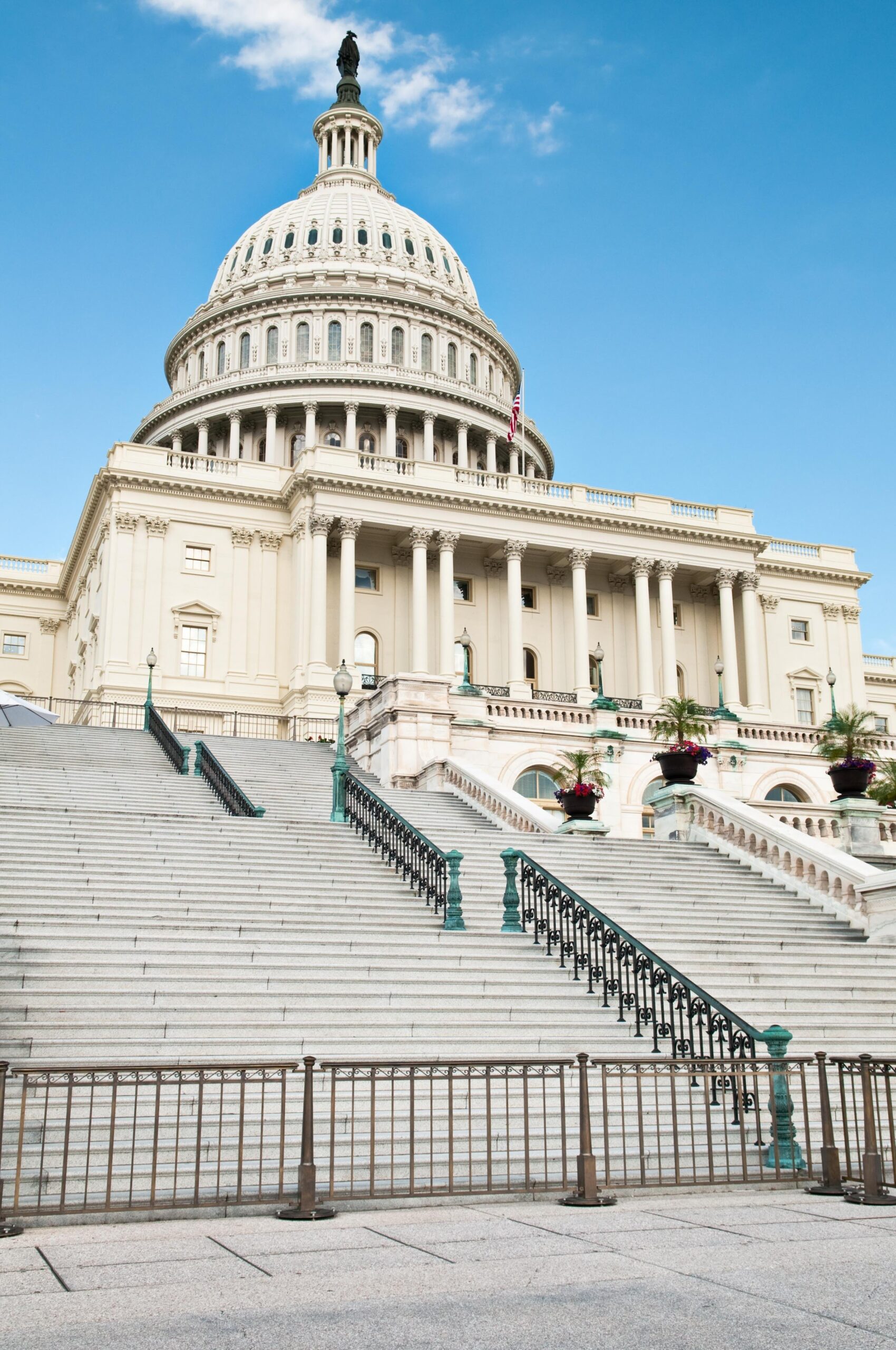
In November 2025, Congress approved more than $200 million in new personal security funding as part of the emergency spending bills passed to reopen the federal government after a prolonged shutdown. The move — a $203.5 million boost — represents one of the largest single-year increases for protecting Members of Congress, their staff, and key government institutions. It arrived at a moment when threats against public officials were rising sharply and security had become a major point of debate in an increasingly polarized political climate.
Why the Funding Was Needed
Concerns about lawmaker safety have been mounting for years. The January 6 attack on the Capitol, threats against high-profile political figures, and a steady climb in threat reports targeting members of both parties have pushed security to the forefront of congressional priorities. Both Democratic and Republican leaders backed the expanded protections after receiving repeated briefings from law enforcement about the elevated risk environment.
Reflecting the urgency, the 2025 federal budget included substantial increases across several security agencies. The U.S. Capitol Police received roughly $852 million — a significant jump from prior years — supported by formal justifications tied to recent threat assessments.
How the New Security Money Will Be Used
The $203.5 million security package includes funding for:
- Physical upgrades at lawmakers’ homes and district offices
- Cybersecurity improvements as digital attacks on officials become more common
- Expanded protection details, defensive training, and upgraded threat-monitoring systems
In addition to personal security funding, lawmakers approved:
- $852 million for the Capitol Police to support personnel, training, and technology
- $28 million to enhance protection for Supreme Court justices
- Additional investments in national cybersecurity programs and security measures at national laboratories and federal agencies
Together, these measures reflect a broader federal effort to strengthen security infrastructure across multiple branches of government.
Political and Public Reaction
The spending surge sparked criticism from some lawmakers and members of the public who argued that the package disproportionately prioritized political leaders over everyday national-security concerns. Others raised concerns that the money reinforced perceptions of distance between elected officials and the people they represent.
Supporters countered that the threats facing lawmakers are unlike anything seen in modern U.S. history, making the increased spending both necessary and overdue. They emphasized that the safety of elected officials — and the staff who support them — is essential for a functioning democracy.
The bill also included controversial language touching on federal investigations involving senators, which quickly became a bipartisan target for repeal.
How This Fits Into Broader Federal Security Trends
Federal security spending has always ebbed and flowed based on events and threat levels, but 2025 marked a particularly large expansion. Agencies like CISA and FEMA rolled out more than $100 million in cybersecurity grants to state, local, and tribal governments, showing how security concerns are increasingly addressed across multiple layers of government.
At the same time, federal scientific institutions sought nearly $200 million under the Safeguards and Security program — another sign of how the demand for protection now spans legislative, judicial, scientific, and administrative branches.
Final Takeaway
The $203.5 million in new personal-security spending for lawmakers and government institutions signals a major federal response to rapidly evolving threats. But it also raises difficult questions: How much protection is enough? Who should be prioritized? And how can government balance the need for security with the expectations of transparency, accountability, and public trust?
Those debates are likely to continue well beyond the passage of this bill, as Congress and the public watch closely to see whether these unprecedented investments deliver the safety they promise.