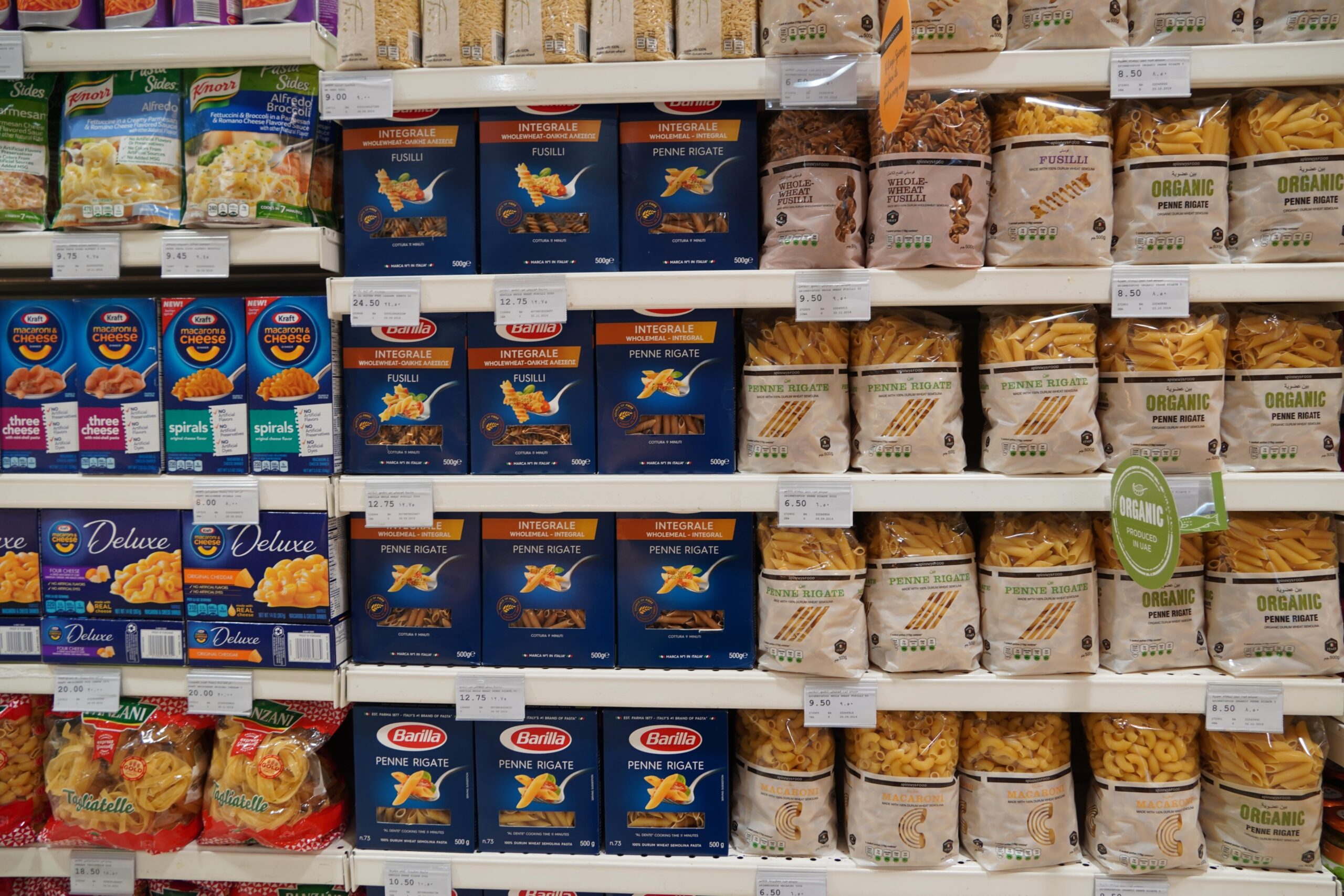
The Trump administration is preparing to slap a massive 107% tariff on pasta imported from 13 major Italian brands — names most American shoppers know well, like Barilla, Rummo, La Molisana, and Garofalo. The move follows a U.S. Department of Commerce investigation launched in August 2024 after American pasta makers accused Italian companies of selling their products in the U.S. at unfairly low prices. If the tariff is approved, it would stack on top of an existing 15% duty on EU goods, effectively doubling the shelf price of Italian pasta. A box that now costs around $3.99 could jump to close to $8.
Importers, grocery stores, and small Italian-American businesses say they’re bracing for higher prices, reduced supply, and the possibility that some beloved Italian brands may choose to leave the U.S. market altogether. Shops like Vinnie’s Italia Importing Company in Connecticut say they’ve already had to raise prices because of earlier tariffs, and another steep hike could make certain products unaffordable for customers and unsustainable for retailers. Restaurants and specialty shops that rely on authentic Italian pasta fear losing loyal customers as everyday staples become luxuries.
Beyond economics, the news hits a cultural nerve. Pasta is deeply woven into Italian-American family life, and many people see the tariff as more than a financial burden—it feels personal. Italian and EU officials have condemned the proposal as a serious blow to “Made in Italy” goods, warning that the dispute could escalate into a case at the World Trade Organization. Italian pasta exports to the U.S. top $700 million a year, so the stakes are high for both sides.
This blog breaks down what led to the proposed tariff, the potential economic fallout, how Italian-American communities are responding, and what might happen next as the situation continues to unfold.
How the Tariff Fight Started
The conflict traces back to August 2024, when the U.S. Department of Commerce opened an antidumping investigation after two American pasta companies—8th Avenue Food & Provisions and Winland Foods—claimed that Italian producers were selling pasta below fair market value. After over a year of reviewing documents and pricing data, Commerce recommended a 91.74% antidumping tariff on 13 Italian pasta producers. When combined with the existing 15% EU tariff, the rate balloons to roughly 107%.
Some Italian companies didn’t submit all the paperwork requested by U.S. officials and were automatically hit with the full tariff rate. Major brands like Barilla and La Molisana insist they’ve broken no rules and that their pricing is fair. Regardless, this proposal represents one of the harshest penalties ever placed on Italian food imports, and fits into a larger pattern of aggressive trade protectionism under Trump.
What the Tariffs Could Mean for Shoppers and Stores
If the tariffs go into effect, the U.S. pasta market will feel the impact almost immediately:
- Prices could double: Boxes of imported Italian pasta that cost $3–$4 today might cost $6–$8 early next year.
- Brands may disappear: Some Italian pasta makers are considering pulling out of the U.S. market because the new costs make exporting unprofitable.
- Importers and retailers could struggle: Small businesses dependent on affordable Italian goods may face shrinking margins or lose customers altogether.
- Shoppers may change habits: Households already stretched by rising food costs may cut back on premium items, including imports.
- Italy could lose a major export market: The U.S. is Italy’s top destination for pasta, worth over $700 million annually.
Why Italian-American Communities Are Alarmed
For many Italian-American families, pasta is more than a product—it’s a link to heritage. That’s one reason public officials, including Representative Rosa DeLauro, have spoken out strongly against the tariffs. Community leaders, restaurant owners, and longtime importers say they feel caught between rising costs and the desire to keep authentic products accessible.
Shoppers have voiced worry and disappointment, fearing that genuine Italian pasta could vanish from shelves or become too expensive for regular use. The backlash reflects a mix of financial pressure and emotional connection.
Europe’s Reaction
European leaders have sharply criticized the proposed tariffs:
- EU trade officials warn the dispute could escalate to the WTO.
- Italian government ministers call the tariffs a “mortal blow” to Italian producers and food culture.
- Critics argue the penalties are excessively harsh and driven more by politics than economics.
What Happens Next?
Several paths are possible:
- Tariffs move forward: Italian brands shrink their presence in U.S. stores, prices climb, and tensions rise between Washington and Rome.
- Negotiations intervene: Diplomatic pressure could scale the tariffs back or delay them.
- Market shifts: American brands or non-EU producers may try to fill the gap left by Italian imports.
- Legal battles begin: Italy or affected companies could challenge the decision through the WTO or U.S. courts.
Final Thoughts
The proposed 107% tariff on Italian pasta could dramatically reshape what Americans see—and pay—on the pasta aisle. Beyond the economics, the issue touches cultural traditions, small business survival, and international relations. Whether the tariff becomes a long-term reality or a temporary point of tension remains to be seen, but the consequences will be felt far beyond the dinner table.