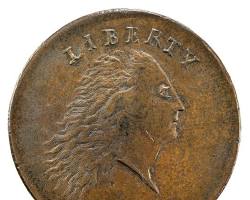
The U.S. Mint officially stopped making pennies on November 13, 2025, bringing an end to a coin that had been produced for 233 years, ever since the first batch was struck in 1792. The decision came down to simple economics: each penny now costs about 3.69 cents to produce—more than triple its actual value—which added up to over $85 million in losses every year. President Donald Trump instructed the Treasury earlier in 2025 to halt production, calling it wasteful to keep minting a coin that costs far more than it’s worth. Even though production has ended, existing pennies will still be accepted everywhere and will continue circulating for years alongside other coins.
Getting rid of the penny isn’t unprecedented. The U.S. discontinued the half-cent in 1857, and other countries like Canada have phased out their lowest-denomination coins too. As pennies become scarcer, U.S. businesses and government agencies are preparing to round cash prices to the nearest nickel—an approach Canada adopted smoothly in 2012. Polls show that most Americans support the change, reflecting how little the penny matters in modern day-to-day transactions.
This blog takes a deep look at why the penny was retired, how the decision affects consumers and businesses, and what it means for the future of American money—from history and economics to culture and practical impacts.
Introduction and Historical Context
The one-cent coin, commonly known as the penny, was introduced in 1792 and has been a staple of U.S. currency ever since. Featuring Abraham Lincoln since 1909, it’s one of the country’s most iconic coin designs. But as inflation chipped away at its value and production costs kept rising, the penny became increasingly impractical to keep in circulation.
Why Production Ended
It Costs More Than It’s Worth
By 2024–2025, making a penny cost nearly four cents. For a coin worth only one cent, that imbalance created enormous losses—around $85 million a year—primarily driven by high prices of copper and zinc.
People Rarely Use Pennies Anymore
Digital payments, credit cards, and tap-and-go systems dominate modern commerce. With fewer cash transactions overall, the penny has become more of a burden than a useful coin. Many retailers say eliminating it will simplify cash handling and make transactions faster.
Government Orders and Policy Changes
Following President Trump’s directive to cut unnecessary spending, the Treasury instructed the Mint to stop producing pennies. Congress technically has authority over U.S. currency, but day-to-day minting decisions fall under Treasury. Several lawmakers had also pushed bills like the Common Cents Act to formally eliminate the penny and introduce national rounding rules.
Economic Impact
Big Savings for the Government
Ending penny production could save roughly $56 million each year—money that otherwise would’ve been wasted on minting a coin that loses money.
Rounding Cash Transactions
Pennies will stay in circulation for a while, but once they’re scarce, cash totals will be rounded to the nearest nickel. Studies show that rounding has virtually no effect on overall prices, but it does reduce time and labor for stores and banks.
The Penny Isn’t the Only Coin With Issues
Other coins also cost more than their face value—the nickel costs around 14 cents to produce, and the dime costs around 6 cents. But the penny is by far the most inefficient.
Cultural and Symbolic Value
To many Americans, the penny is more than spare change; it’s a piece of history tied to Abraham Lincoln and national tradition. Its end struck a nostalgic chord with collectors and historians, even though most people rarely use it in everyday life. Pennies already in circulation will keep their value indefinitely, and collectors will continue preserving older and historical designs.
Moving Toward a Nickel-Based Cash System
Canada’s penny phase-out in 2012 offers a clear preview of what to expect. Their transition to rounding cash totals went smoothly, and the U.S. is expected to follow a similar path as pennies slowly disappear. Over time, this shift will reduce clutter in cash drawers, simplify pricing, and reflect the realities of an increasingly digital economy.
Conclusion
The end of the penny in 2025 marks the close of a long chapter in American currency. After more than two centuries in circulation, the penny became impractical to maintain, both financially and technologically. While the coin still holds sentimental value and remains valid in everyday transactions, its role in the modern economy has come to an end.