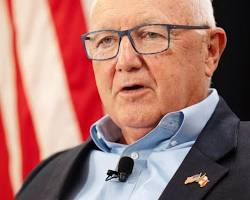
The U.S. envoy has recently urged Canada to rethink running anti-tariff ads as trade tensions between the two countries continue to escalate in 2025. His warning comes at a time when both sides have been locked in a back-and-forth tariff battle that’s straining economic ties and complicating negotiations.
Background: Why U.S.–Canada Tariff Tensions Are Rising
Since early 2025, the United States—under President Donald Trump—has slapped sweeping tariffs on Canadian imports. Most Canadian goods now face a 25% tariff, while energy products are taxed at 10%. Canada hit back with its own set of retaliatory measures targeting U.S. steel, aluminum, autos, and various consumer goods. With each round of tariff hikes, the situation has worsened, and some Canadian exports are now being taxed at rates as high as 45%.
Things took a sharper turn when Ontario aired an anti-tariff ad that featured Ronald Reagan criticizing tariffs. Trump reacted by tacking on another 10% tariff on Canadian imports. That move froze ongoing trade talks and prompted the U.S. envoy to warn Canada that such public messaging could inflame the situation even further.
Why the U.S. Envoy Issued the Warning
According to the envoy, public campaigns criticizing tariffs risk escalating the conflict by stirring up nationalist sentiment and hardening political positions. In short, the U.S. believes Canada should avoid actions that could be seen as antagonistic at a time when diplomatic efforts are already under strain.
How the Tariffs Are Affecting Both Countries
The tariff war has rippled across major industries—steel, aluminum, automotive, and energy—disrupting supply chains and driving up costs for companies and consumers on both sides of the border. The tensions have also pushed Canada to explore new trade partners, particularly India, in hopes of reducing its reliance on U.S. markets.
Despite the friction, Canada maintains that it’s willing to return to the negotiating table, as long as any future agreement respects its economic interests and aligns with commitments under the USMCA. The envoy’s caution serves as a reminder of just how fragile the situation is, and how easily it could worsen.
Conclusion
The U.S. envoy’s warning underscores the delicate state of the relationship as both countries navigate one of their most significant trade disputes in years. Moving forward, careful diplomacy and open communication will be essential to cooling tensions, protecting economic stability, and restoring a healthier trade environment.